
Beauty and Beyond
Using Beauty to Recover Our Vision of the Other

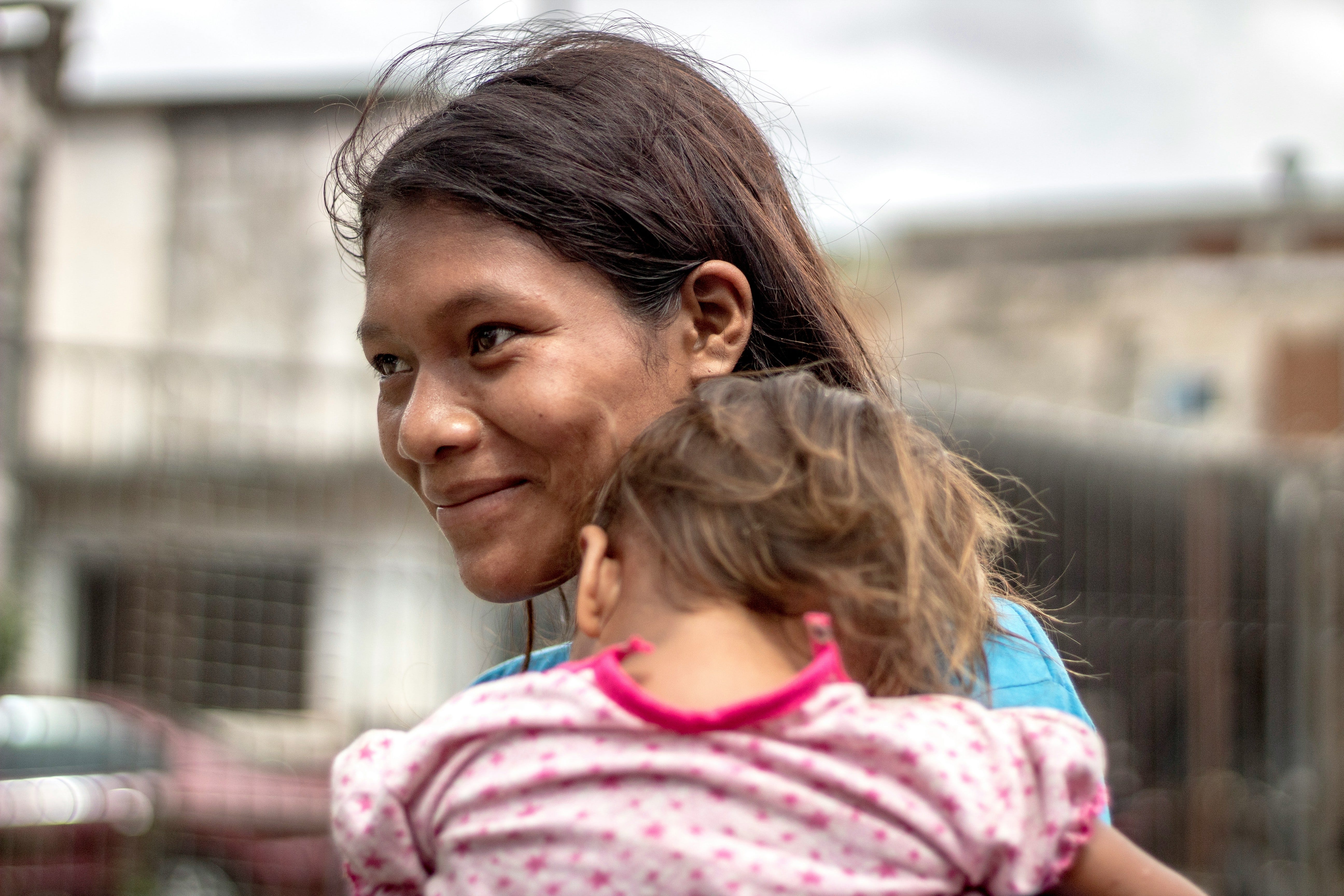
Those people. Those radical leftists. Those MAGA zealots. Those LGBTQ extremists. Those immigrants or refugees or Somalis. The cariciturization and stereotyping of “the other” is a tactic of the political pundit and the contemptuous to demean and belittle one group’s supposed enemies. It is not an attitude looking for answers, for helpful discussion, for understanding, but is used to win the hearts and minds of others no matter the cost.
If we are honest with ourselves, we’ll recognize that we have all been guilty of it at one time or another. One way out of this is through beauty.
There is something about beauty, about a well told story, about a poem, about an image or a video montage that can lead us out of the danger of the single story and into a fuller picture of the nuanced reality we call the human experience. The black and white becomes a cornucopia of color. The monotone monologue becomes a symphony of sound—beautiful and life enriching.
And so today, I want to share both a poem and a video montage that helped me see the other with grace, with generosity, with an open heart toward the invitation to let go of old narratives and look for the fingerprints of God’s creative genius and outrageous love in others.
First, a poem by a new friend—my wife’s friend really—and her new book of poetry which I’ll link at the bottom. I’ll let the poem speak for itself.
Testigo de Traductora (A Translator’s Witness)
“He who has ears to hear, let him hear.”
There are great souls
walking among us
in prairie country
in the form of
a Mom and Dad
born in Guatemala
villagers—
raising their own
in a simple, far-off place.
They could have stayed,
would have stayed,
but their son could not
speak,
could not hear.
And— can you believe the closest
needed care
was seven hours away?
I will not tell you the whole story.
(You have so little time)
But I will tell you this:
They gave up all they owned
all they’d known
so that their son might have
ears to hear.
It’s a powerful poem that puts a face and a family and their story to the nightly news about immigration in all its forms.
The second is a video that I’ve shown to hundreds of friends who have grown up in rural America, who are really good people, but all they’ve ever known about the Muslim world has been gleaned from the nightly news. And the news is never good. The messages we hear form the narratives we carry about the other and so for many, the narrative about Muslims has never been good. And it can be hard to love your neighbor if you think your neighbor is bad, evil even. This video, which is a celebration of the people and places and food of Turkey, puts a face to that narrative and it is a very happy face. Turkey is 99.9% Muslim and they are all created in the image of God, they have hopes and dreams, they have happy families, good friends and good work—at least as much as anywhere else on earth. The video is called Faces of Turkey and it’s not very long.
A few weeks ago I heard a missions pastor say that it is hard for a person’s heart to feel what their eyes have not seen. Beauty, in the form of a poem or a well made video, can help us see.
The next time you come across a story about those other people, those supposed enemies, remember that they were created in the image of God. They have hopes and dreams. They do good work and help others. Yes, they are broken, but as Herman Melville reminded us in Moby Dick, “Heaven have mercy on us all—Presbyterians and Pagans alike—for we are all somehow dreadfully cracked about the head, and sadly need mending.”
And after you remember, go find something beautiful—a story, a song, a poem or a painting—that will help you see those people in another light. Beauty can take us beyond ourselves, beyond our own narrow narratives if only we will let it. And the mending is just beyond the beauty.
Order: Dear People of the Prairie by Joy Moore